How do I plan for disasters financially?
While disasters may be impossible to predict, you can lessen the financial impact on yourself and your family.
In brief
- Prepare before disaster strikes so you can make faster, more confident financial decisions when every minute counts.
- Create a financial grab-and-go kit with copies of key documents, account information, and a home inventory stored both physically and digitally. Also pack and prepare essentials such as medications, cash, and basic supplies.
- Review your insurance coverage yearly to make sure you are protected against the risks most likely to affect your area.
- Make sure your family knows the plan, where emergency documents are kept, and how to stay connected during a crisis.
When a disaster strikes, you likely will not be in the best frame of mind to make calm, rational decisions. This is why the smartest financial move you can make is preparing well before a disaster happens.
Financially preparing for a disaster is not only about peace of mind. It is about making sure you and your family can move quickly, recover faster, and avoid costly mistakes.
1. Build your financial grab-and-go kit
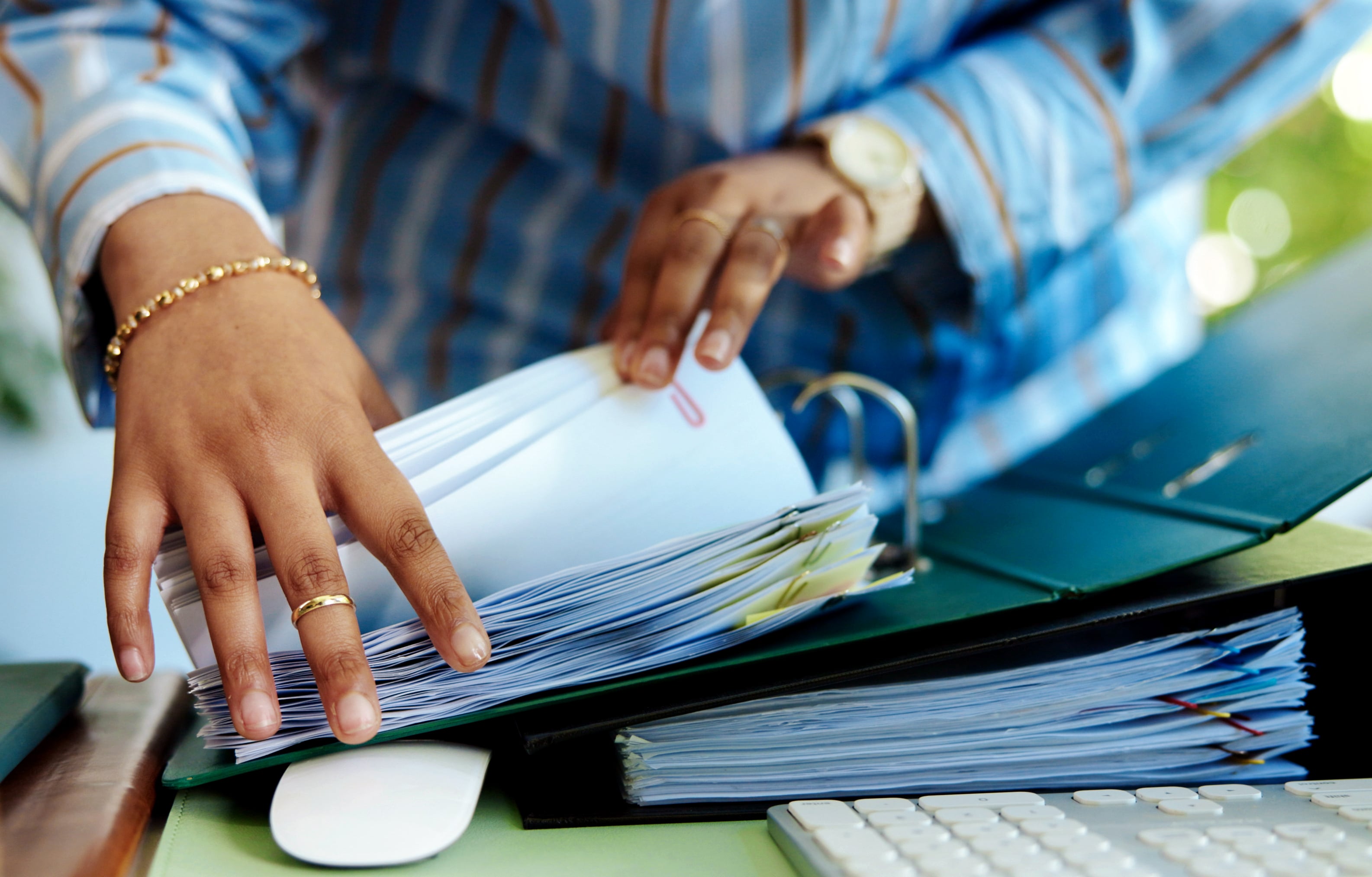
If evacuation orders are issued, you might only have a few minutes to grab what you need. You would not want to be slowed down by the need to dig through a filing cabinet or closet. Instead, gather copies of your essential documents now, and store them together in one safe place.
Here are some items to consider including:
- A certified copy of your birth certificate
- Government-issued photo identification (driver’s license, passport, ID card)
- Health insurance cards and basic medical records
- Homeowners or renters insurance policy declaration pages
- Auto insurance documents
- Home deeds and car titles
- Legal paperwork such as wills, powers of attorney, and health care directives
- Marriage certificate or divorce decree
- Bank and financial account statements
- A home inventory — photos or a video walkthrough of your belongings
All of these documents should be copied and stored in a sealable plastic bag or envelope, and backed up digitally (in the cloud or on a thumb drive). You may also want to have copies handy on your phone, saved to your photo library, in the event that you find yourself with little to no cellular reception or Wi-Fi. The originals should be kept in a fireproof, waterproof safe. The goal is to make sure you can prove who you are, what you own, and what you are owed.
What is most important to include?
If you feel overwhelmed, start with the items that would be the hardest to replace. Your birth certificate and ID card are two of the most critical — many other documents (like passports or vehicle titles) cannot be reissued without them.
Remember your digital trail as well. A smartphone video of your home’s contents can make a big difference when it comes to filing insurance claims. Open drawers. Look inside closets. Take pictures of receipts if you have them. This inventory will make it easier and faster to file a claim — and harder for insurers to question what you lost.
The same goes for scanning documents like medical records or tax files. Just keep in mind that in the immediate aftermath of a disaster, you might not have internet access — so having physical backups or storing files on a portable drive is essential.
More emergency supplies to consider
Your finances are not the only thing that needs to be ready. If you are forced to evacuate, you will need a packed and portable bag with essentials to get you through at least a few days away from home:
- Basic toiletries and sanitary supplies (masks, hand sanitizer, wipes)
- Bottles of drinking water and foods with a long shelf life
- A two-week supply of medications
- A small medical file listing your prescriptions, allergies, and doctors’ contacts
- Lightweight, quick-drying clothing you can mix and match
- Sturdy shoes and flip-flops
- A list of emergency contacts and a designated meeting spot
- Cash in small bills, in case ATMs or card readers are down
- Extra charging cables and backup batteries for electronics
- One or two battery-charged power banks
- A small flashlight or headlamp
Include anything that makes you feel human and calm — maybe that means a favorite fragrance, a scarf to cover unwashed hair, or a novel loaded on your e-reader. Comfort matters when the world feels unstable.
2. Review your homeowners, renters, or property insurance
Disasters are expensive. If your house is damaged or destroyed, insurance may be your only financial safety net. However, not all policies are created equal. A standard policy may not fully cover the actual rebuilding cost of your home — or may exclude certain events like floods or earthquakes altogether.
So, take a moment to review, updating or obtaining coverage where needed:
- Make sure your policy covers both the structure of your home (also called “hazard” or “dwelling” coverage) and your personal belongings inside it. Personal coverage is typically about half the amount of dwelling coverage.
- Do you have all the forms of coverage you need? For example, are you covered for floods, earthquakes, wildfires, hurricanes, or anything else common in your area? If not, you will want to add this coverage. Sometimes the amount of flood coverage, for example, is limited by the government, but you can purchase an additional policy if you like — consider whether that makes sense for you given the risks in your area compared to the price.
- Know how much you will be reimbursed: Is your policy based on actual cash value (which deducts for depreciation) or replacement cost value (which pays for what it would cost to replace items at today’s prices)? Replacement cost value is far better. Consider the speed with which items such as electronics depreciate as soon as next year’s model hits the market. Most importantly, do you have the coverage you want? If not, it is time to make changes.
- See if you have extended or guaranteed replacement cost coverage, which adds extra protection if prices spike after a widespread disaster. This is something to aim for, but you may not be able to purchase it. Because natural disasters have become so much more routine, fewer insurers offer it than in past decades.
- Update your policy if you have made improvements, such as a kitchen renovation or new roof, that increased your home’s value.
3. Prepare your family
Here is a key point that many people forget: Make sure someone else in your household (or a trusted friend) knows where to find your financial grab-and-go kit and emergency supplies.
Also stay informed by monitoring weather updates, emergency alerts, and information issued by relevant government agencies. In a crisis, everyone should know where to go, who to call, and what the plan is — because you may not have time to explain these things later.
The bottom line
While disasters are frightening, they do not have to be financially devastating. The key is preparation. When you have your documents gathered, your insurance updated, and your bag packed, you are not only ready for the worst — you are protecting everything you have worked so hard to build.
Further learning
- An emergency fund is one of the most powerful tools to plan for financial surprises. Explore the optimal place to build yours.
- See how assigning beneficiaries can help protect your loved ones’ peace of mind.
You may also be interested in

Joint account holders vs beneficiaries

The importance of beneficiaries